
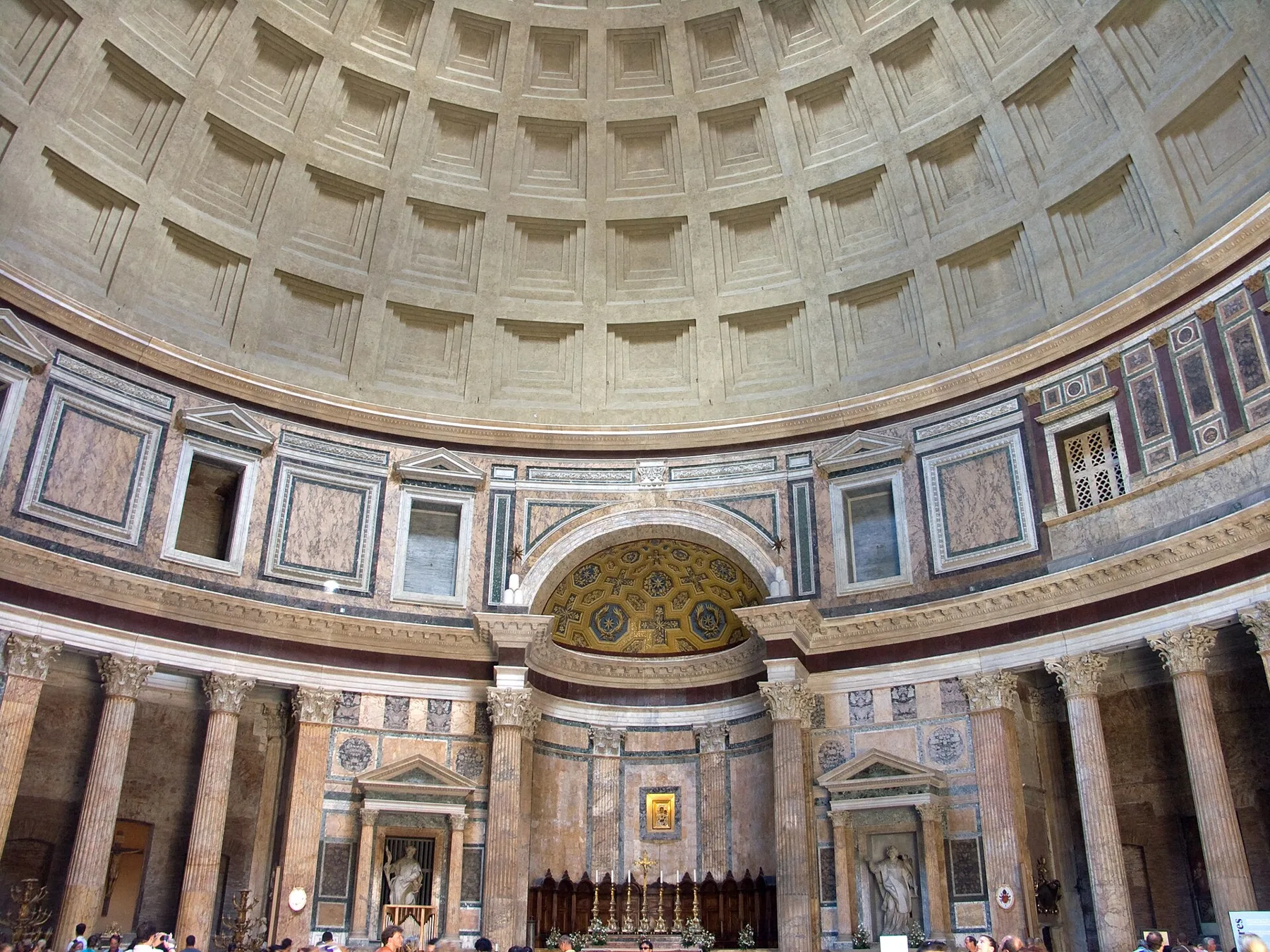
Lost technologies · Roman Republic and Empire · c. 2nd century BCE – 5th century CE
Roman Concrete: The Self-Healing Stone
Why harbor walls built 2,000 years ago are still standing in seawater.
Research draft · editor review pending. Every claim below is linked to a checked source, but this dossier has not yet been reviewed by a human editor. Spot an error? Corrections are logged.
Roman builders mixed lime with volcanic ash called pozzolana to make a concrete that has survived for two millennia — including in harbor structures exposed to seawater, where modern concrete can degrade within decades.
Loading the full dossier…
Connected dossiers
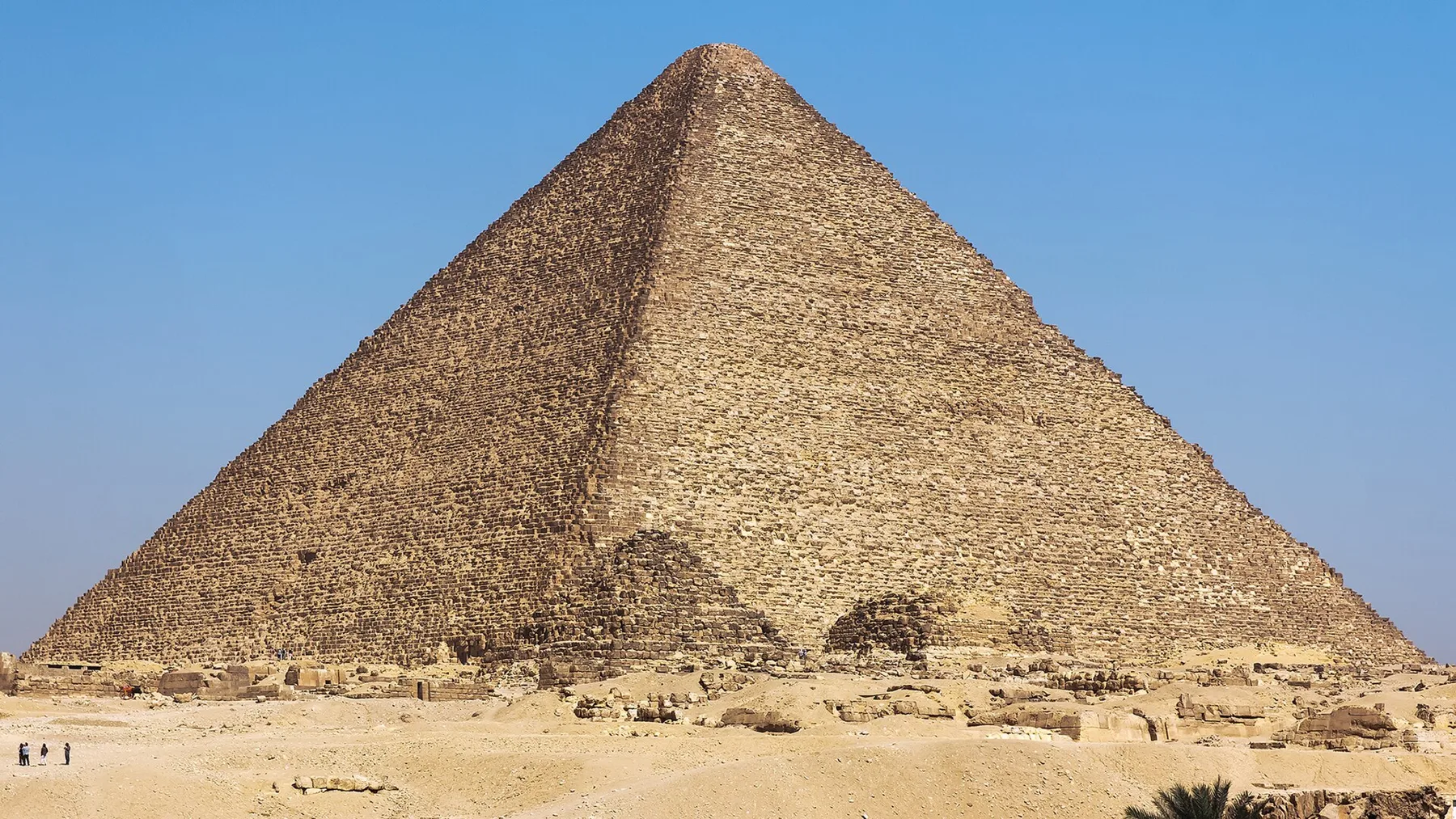 The Great Pyramid of GizaComparable case · Ancient construction methods reconstructed from physical evidence.
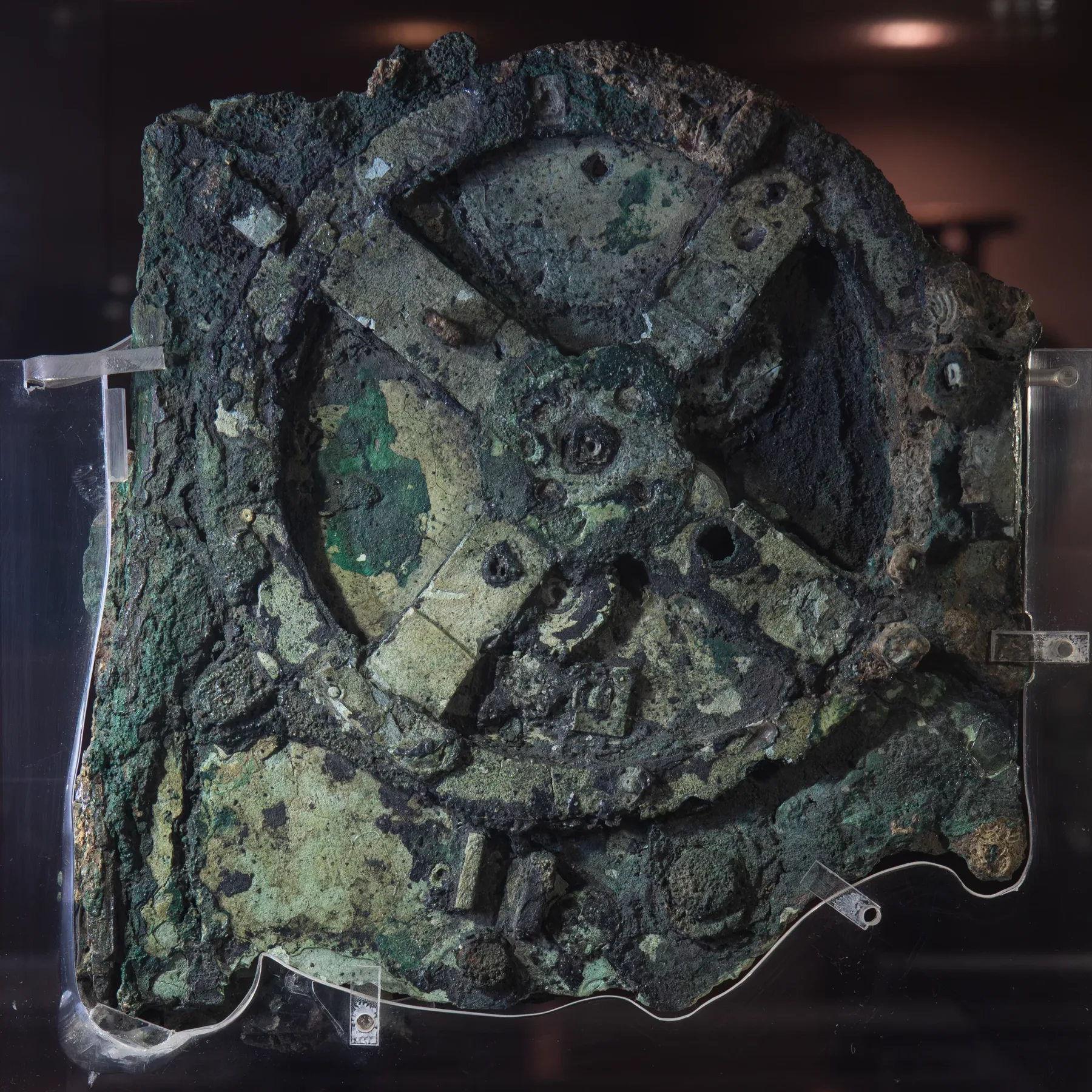 The Antikythera MechanismSame era · Products of the same Mediterranean world.
See Roman Concrete in the discovery universe →
Ask the archive
Have a question about this dossier, or think a claim needs a better source? Send it to the editors.
How to read the labels
EstablishedSupported by strong, converging evidence.
ContestedEvidence exists but qualified scholars disagree.
UnresolvedThe question is open; evidence does not settle it.
LegendComes from myth, literature or tradition, not physical evidence.
SpeculativeA hypothesis with little direct evidence so far.
Hero image: The unreinforced Roman concrete dome of the Pantheon, Rome. Photo: Jean-Christophe BENOIST · CC BY 2.5 · via Wikimedia Commons. Evidence labels describe the written claims, not the image. Version 1 · updated 2026-10-22.