
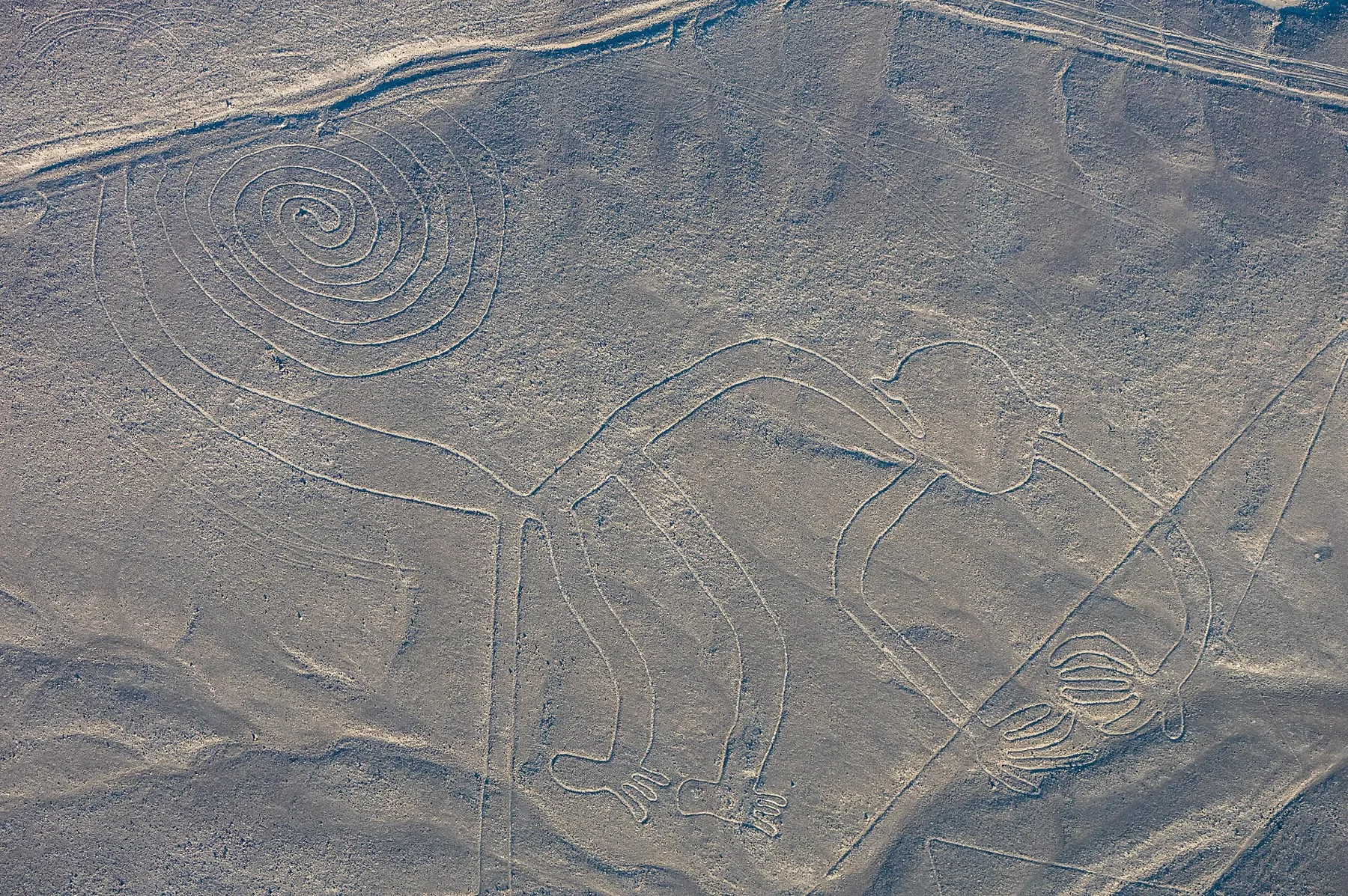
The Nazca Lines
Giant figures scratched into the desert, still being discovered with AI.
Across the arid pampas of southern Peru, ancient people removed the dark surface stones to expose lighter ground beneath, creating straight lines, geometric shapes and figures — a hummingbird, a monkey, a spider — some hundreds of meters across. They were made over nearly a thousand years by the Paracas and Nazca cultures.
Loading the full dossier…
Connected dossiers
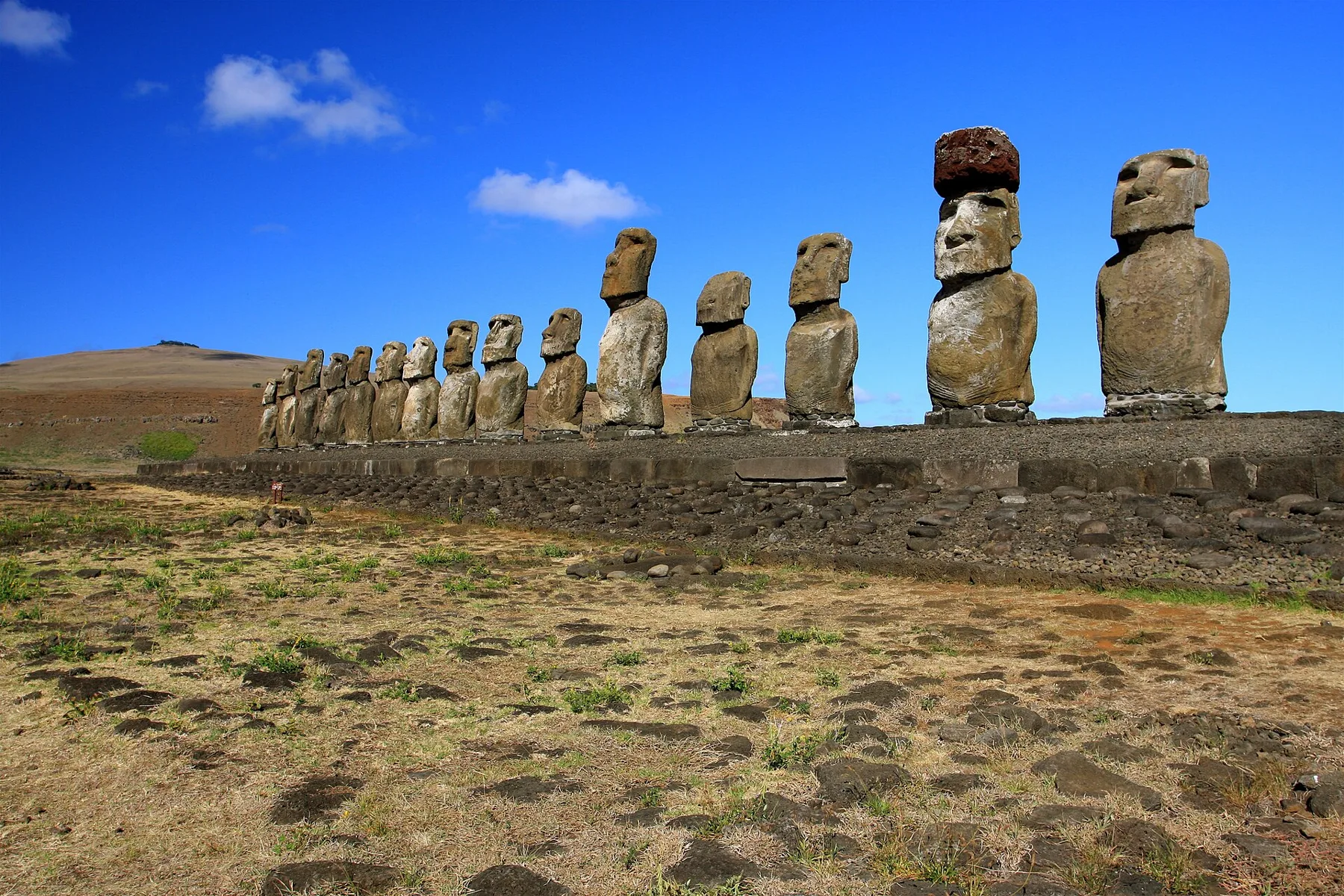 The Moai of Rapa NuiComparable case · Monumental works by societies without writing.
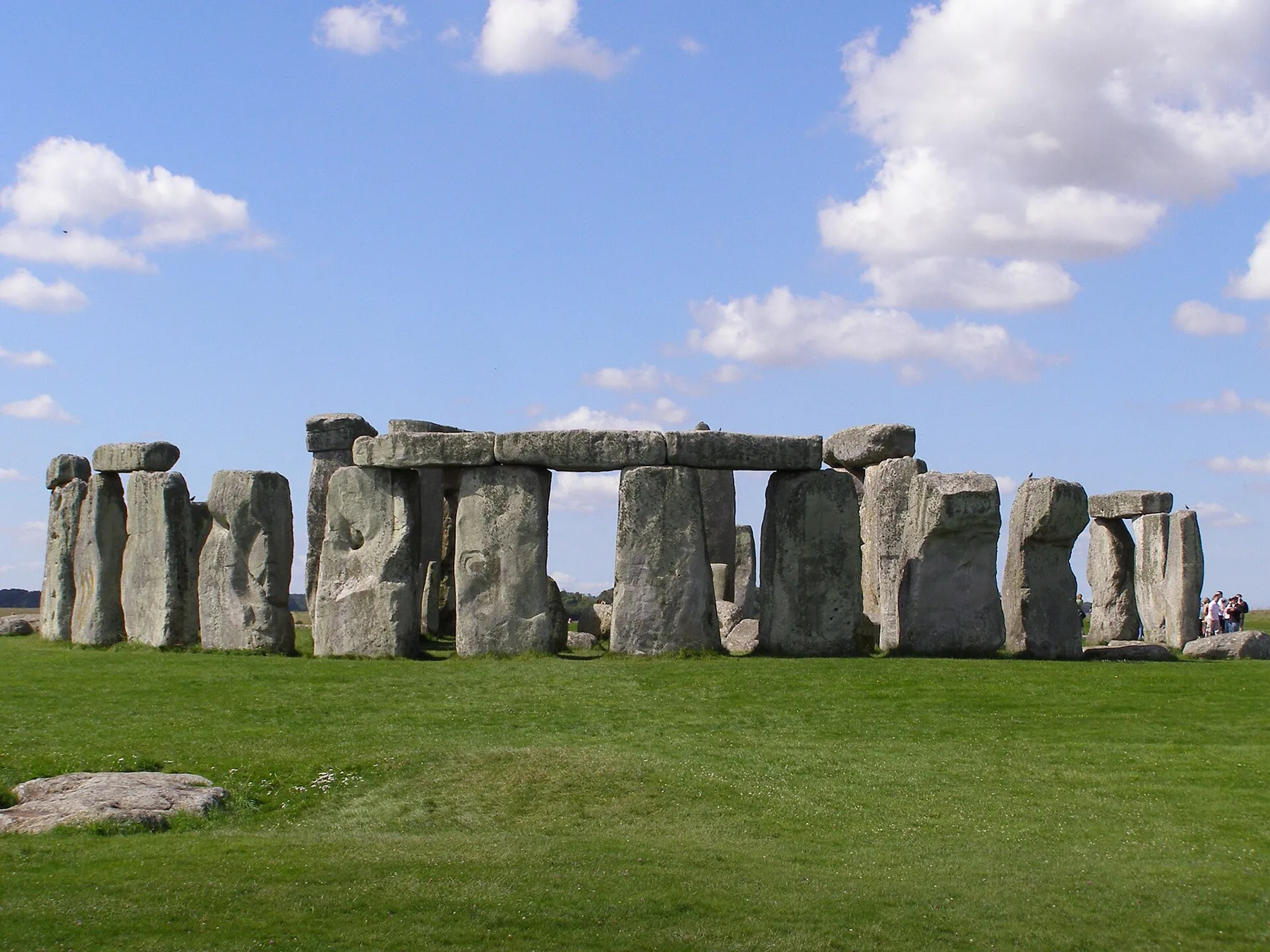 StonehengeSame open question · Landscape monuments with debated astronomical purposes.
See The Nazca Lines in the discovery universe →
Ask the archive
Have a question about this dossier, or think a claim needs a better source? Send it to the editors.
How to read the labels
Hero image: The Monkey geoglyph, Nazca Lines, Peru (aerial view). Photo: Diego Delso · CC BY-SA 4.0 · via Wikimedia Commons. Evidence labels describe the written claims, not the image. Version 1 · updated 2026-10-22.