
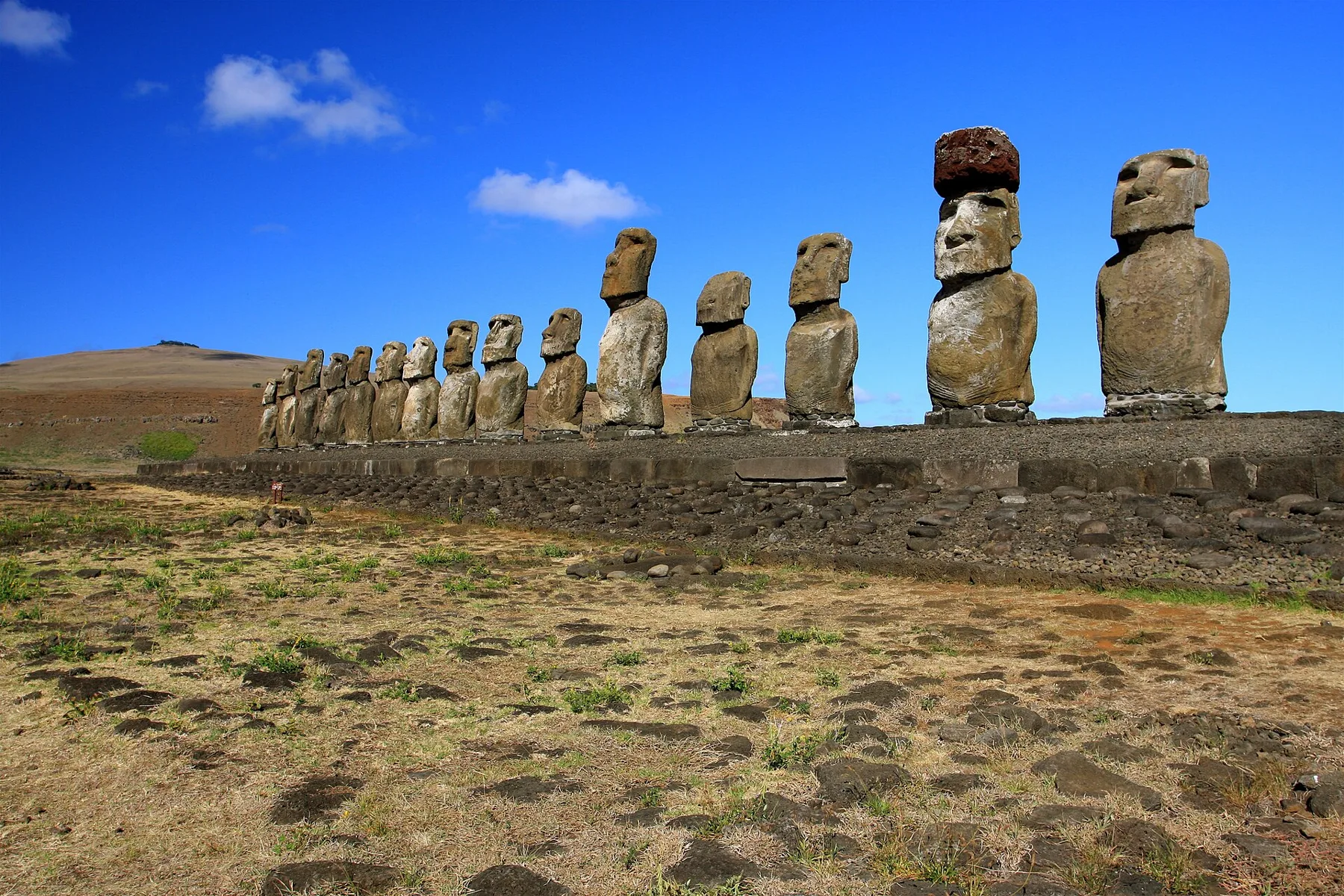
The Moai of Rapa Nui
Nearly a thousand stone ancestors carved on one of the most remote inhabited islands on Earth.
The moai are monolithic human figures carved by the Rapa Nui people, most from volcanic tuff at the Rano Raraku quarry. Their oversized heads make up about three-eighths of their height. To the Rapa Nui, they were the living faces of deified ancestors, set on stone platforms facing inland over the communities they protected.
Loading the full dossier…
Connected dossiers
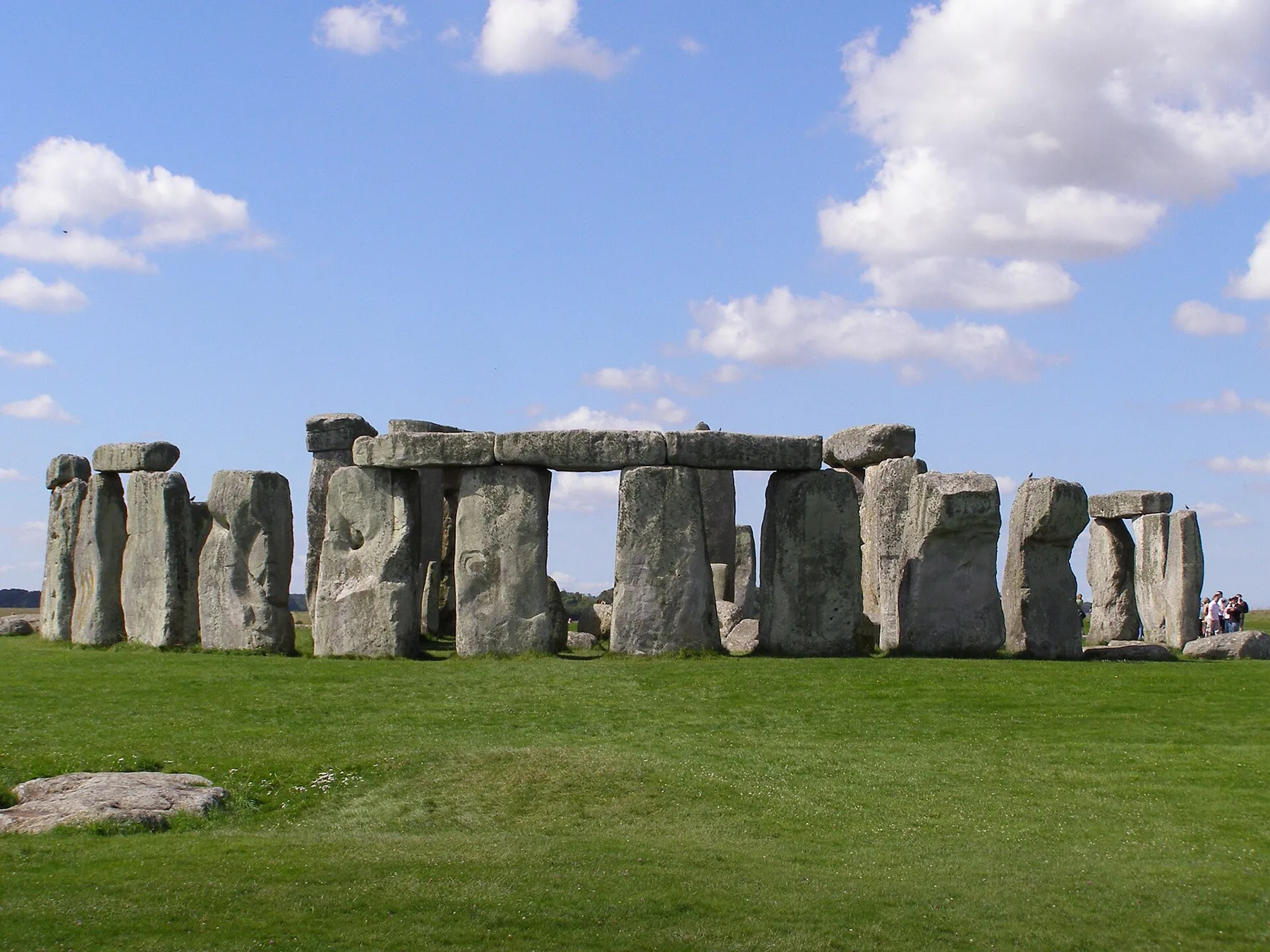 StonehengeComparable case · Moving massive stones without draft animals or wheels.
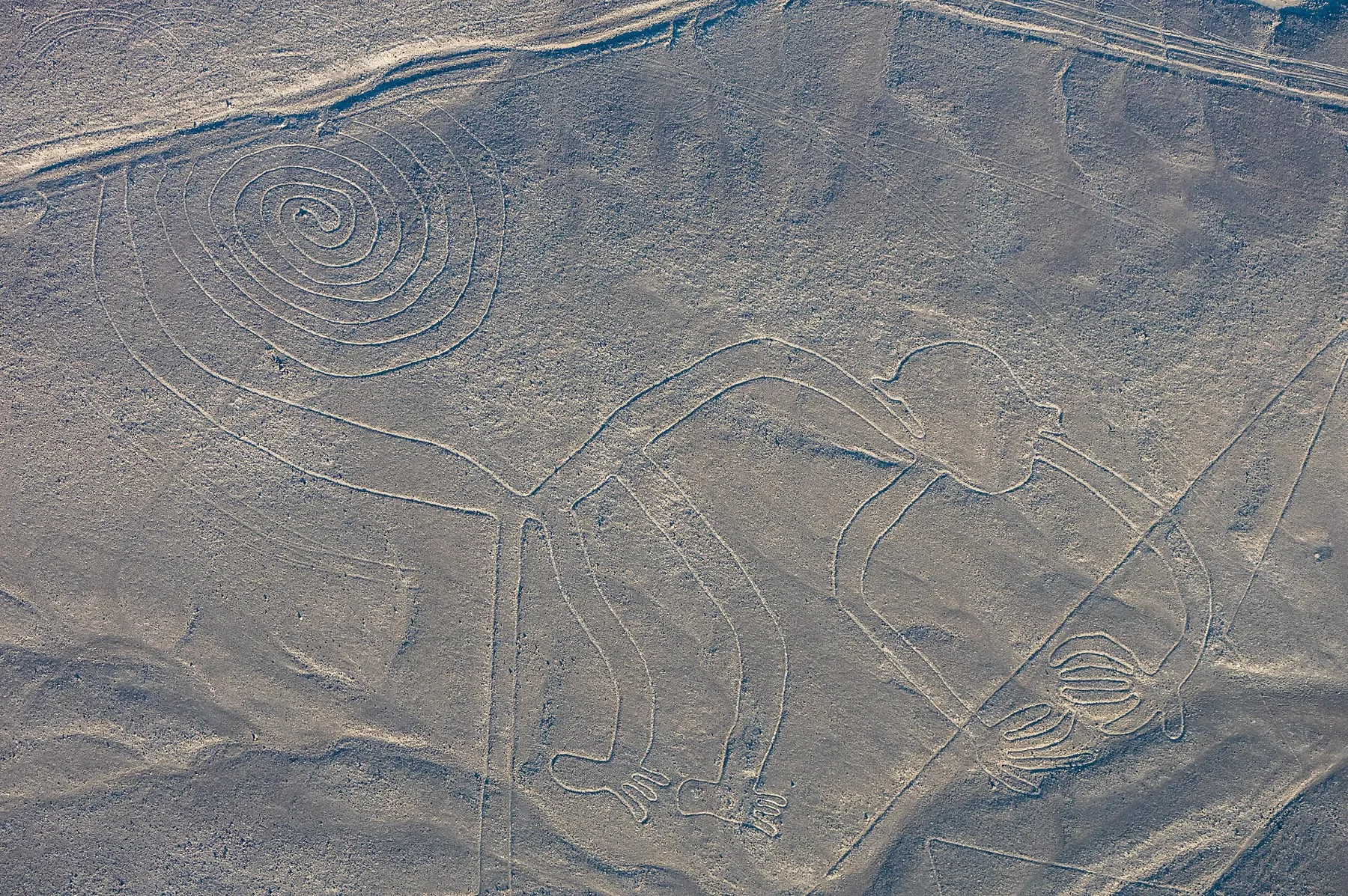 The Nazca LinesComparable case · Monuments by societies without writing.
See The Moai of Rapa Nui in the discovery universe →
Ask the archive
Have a question about this dossier, or think a claim needs a better source? Send it to the editors.
How to read the labels
Hero image: The fifteen restored moai of Ahu Tongariki, Rapa Nui. Photo: TravelingOtter · CC BY 2.0 · via Wikimedia Commons. Evidence labels describe the written claims, not the image. Version 1 · updated 2026-10-22.