
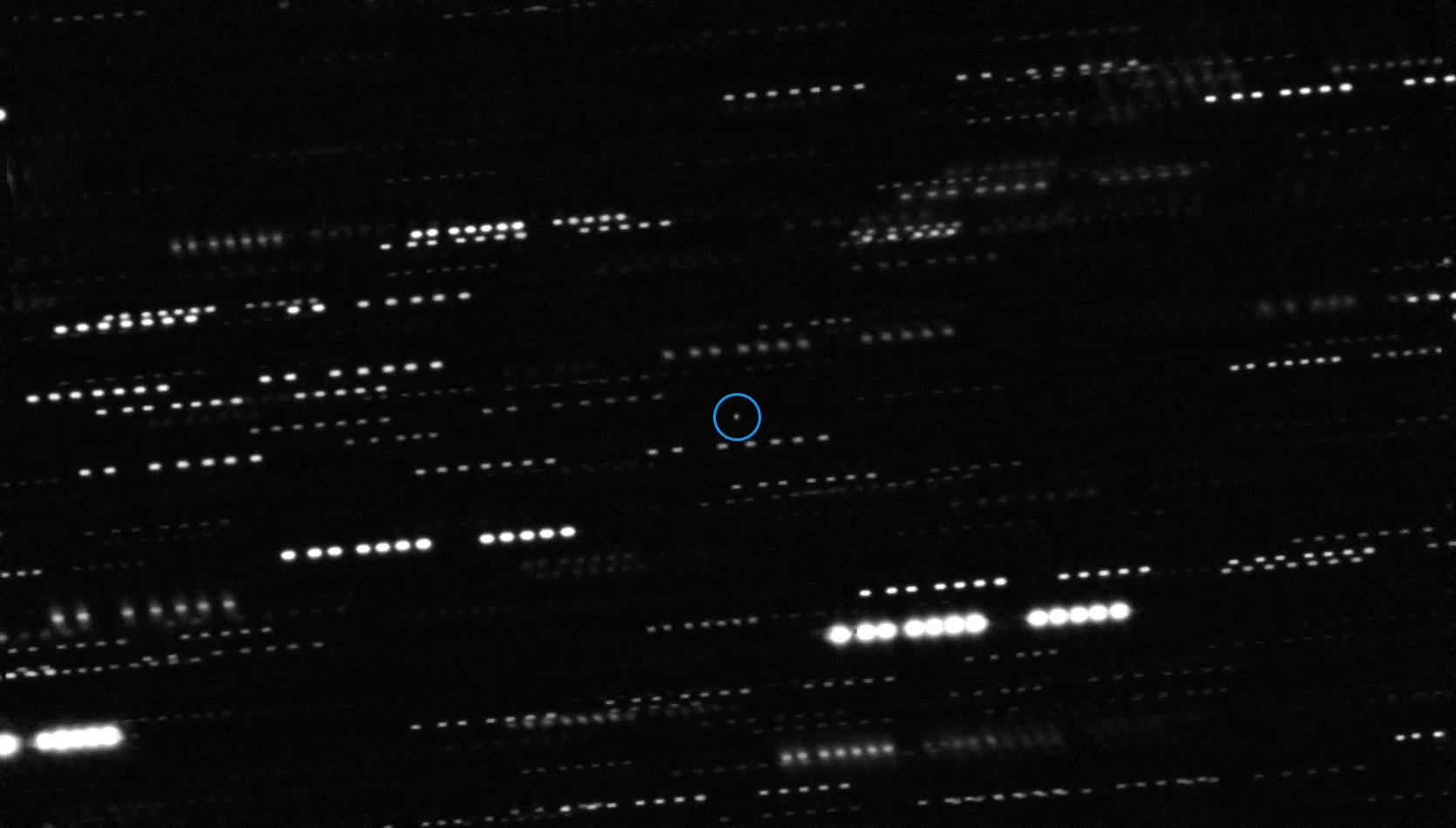
ʻOumuamua: The First Interstellar Object
A visitor from another star that sped up as it left — with no visible tail.
In October 2017, the Pan-STARRS telescope in Hawaii spotted an object on a path that proved it came from outside the Solar System — the first ever detected. Named ʻOumuamua, Hawaiian for 'a messenger from afar arriving first,' it was small, reddish and, judging by its dramatic changes in brightness, probably very elongated or flattened.
It was already leaving when it was found, so astronomers had only weeks to study it. The biggest puzzle came from its trajectory: it accelerated slightly away from the Sun in a way gravity alone cannot explain, yet showed no visible gas or dust tail. Explanations range from invisible outgassing of hydrogen or nitrogen ice to a fragile 'light sail'; the debate is a matter of interpretation of limited data.
Case log
An open case. Dated developments, oldest first, each with its source.
Why it matters
It opened the study of interstellar objects and is a textbook case of extraordinary hypotheses tested against sparse evidence.
What the evidence says
- Established
ʻOumuamua was the first object identified as coming from another star system.
Basis: Discovery and characterization published in Nature (2017).
Sources: 1 - Established
It showed a small non-gravitational acceleration as it left the inner Solar System.
Basis: Astrometry published in Nature (2018).
Sources: 2 - Established
No coma or gas was detected, including in Spitzer infrared observations.
Basis: Spitzer Space Telescope (Astronomical Journal, 2018).
- Contested
Its acceleration can be explained by release of hydrogen trapped in water ice.
Basis: Proposed in Nature (2023).
Counterpoint: One of several competing natural explanations.
Sources: 5 - Contested
It may be a fragment of nitrogen ice from the surface of a Pluto-like exoplanet.
Basis: Proposed in JGR Planets (2021).
Sources: 6
Competing interpretations
Hydrogen outgassing
Cosmic rays turned water ice into trapped hydrogen, released as it warmed.
Artificial light sail
A thin sail pushed by sunlight.
Weigh the evidence
Having read the claims and sources, which explanation do you find most convincing?
One vote per browser. Results appear after you vote.
Open questions
- What caused its non-gravitational acceleration?
- What was its true shape?
Connected dossiers
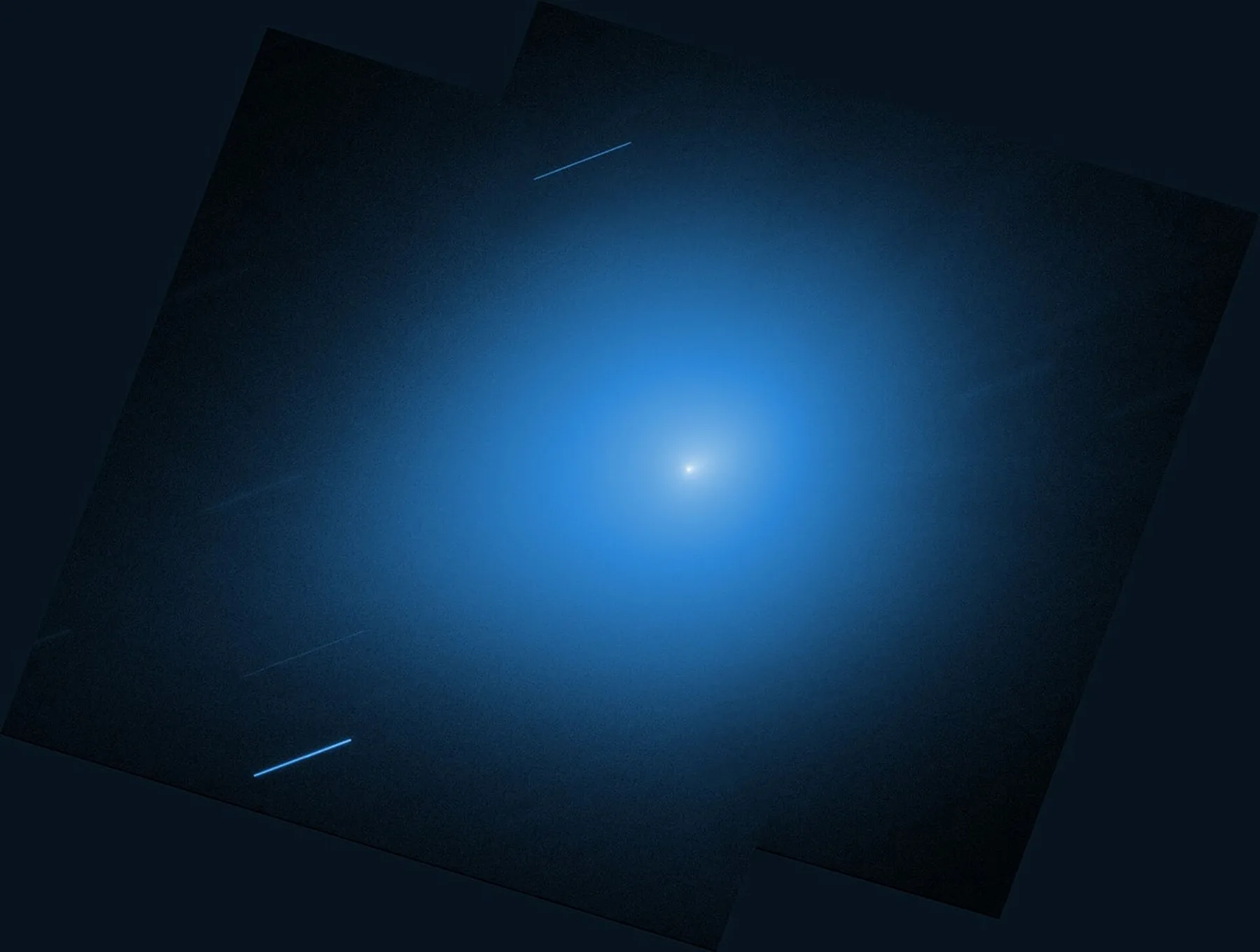 3I/ATLAS: The Third Interstellar VisitorComparable case · Interstellar visitors compared.
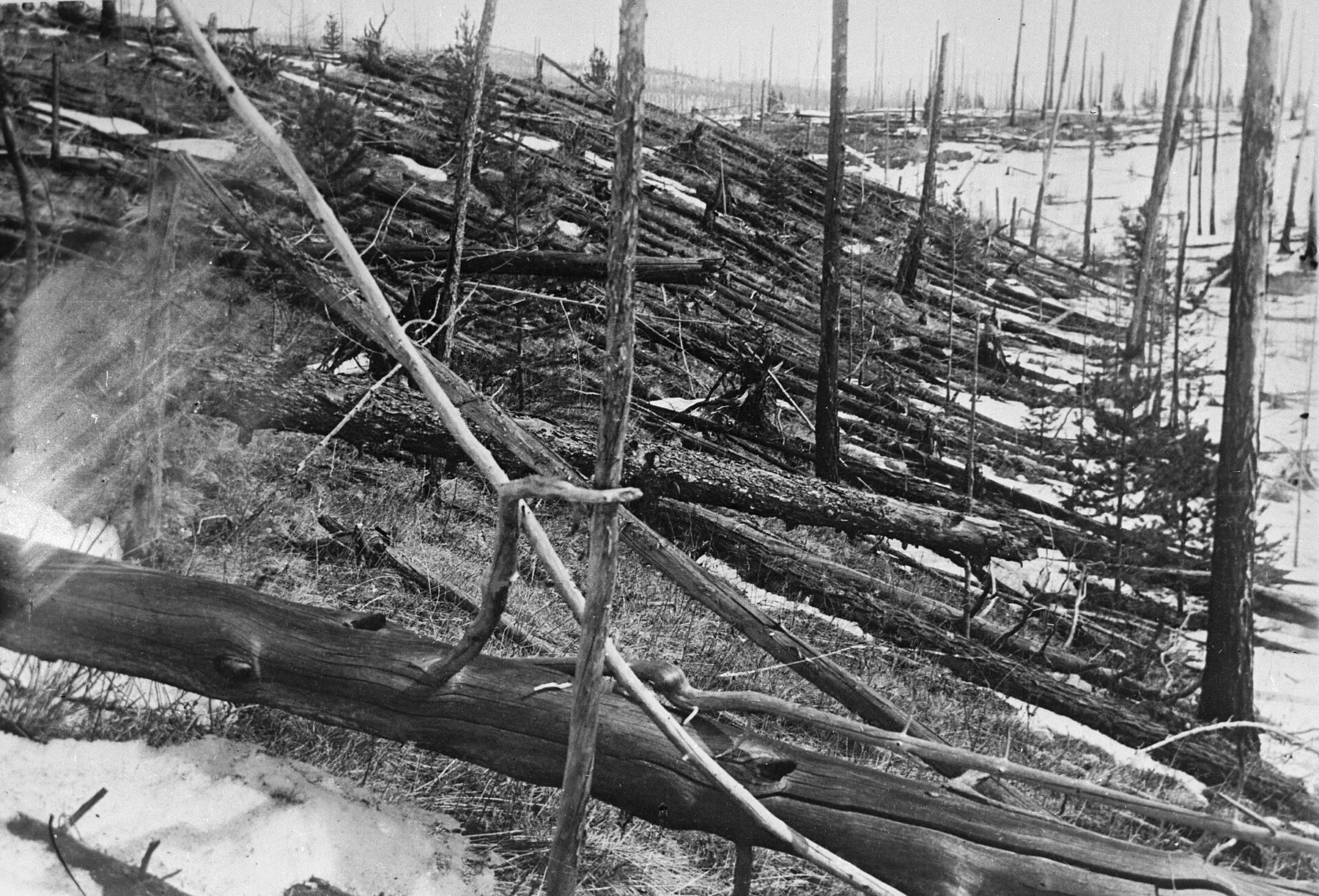 The Tunguska EventSame open question · Objects from space and how we read them.
See ʻOumuamua in the discovery universe →
Ask the archive
Have a question about this dossier, or think a claim needs a better source? Send it to the editors.
Sources
- Meech, Weryk, Micheli et al.. “A brief visit from a red and extremely elongated interstellar asteroid.” Nature (2017) DOI 10.1038/nature25020PEER-REVIEWED · CHECKED 2026-10-22 · CROSSREF DOI METADATA
- Micheli, Farnocchia, Meech et al.. “Non-gravitational acceleration in the trajectory of 1I/2017 U1 (‘Oumuamua).” Nature (2018) DOI 10.1038/s41586-018-0254-4PEER-REVIEWED · CHECKED 2026-10-22 · CROSSREF DOI METADATA
- Trilling, Mommert, Hora et al.. “Spitzer Observations of Interstellar Object 1I/‘Oumuamua.” The Astronomical Journal (2018) DOI 10.3847/1538-3881/aae88fPEER-REVIEWED · CHECKED 2026-10-22 · CROSSREF DOI METADATA
- “NASA Learns More About Interstellar Visitor ʻOumuamua.” NASA Jet Propulsion Laboratory (2018) Open source ↗INSTITUTION · CHECKED 2026-10-22 · HTTP 200 LINK CHECK
- Bergner, Seligman. “Acceleration of 1I/‘Oumuamua from radiolytically produced H2 in H2O ice.” Nature (2023) DOI 10.1038/s41586-022-05687-wPEER-REVIEWED · CHECKED 2026-10-22 · CROSSREF DOI METADATA
- Jackson, Desch. “1I/‘Oumuamua as an N2 Ice Fragment of an exo‐Pluto Surface: I. Size and Compositional Constraints.” Journal of Geophysical Research: Planets (2021) DOI 10.1029/2020JE006706PEER-REVIEWED · CHECKED 2026-10-22 · CROSSREF DOI METADATA
- Bialy, Loeb. “Could Solar Radiation Pressure Explain ‘Oumuamua’s Peculiar Acceleration?.” The Astrophysical Journal Letters (2018) DOI 10.3847/2041-8213/aaeda8PEER-REVIEWED · CHECKED 2026-10-22 · CROSSREF DOI METADATA
How to read the labels
Hero image: Deep combined telescope image of ʻOumuamua (circled) among star trails. Image: ESO/K. Meech et al. · CC BY 4.0 · via Wikimedia Commons. Evidence labels describe the written claims, not the image. Version 1 · updated 2026-10-22.